Stewards of the land.
Sustainability is built into how we farm, how we care for the land, and how we plan for the future.
Sustainability
From improving soil health to supporting pollinators and reducing our carbon impact, our work is rooted in practical actions and measurable progress. Through trusted certifications, regenerative trials, and science-backed initiatives, we’re committed to strengthening our farms and the ecosystems that support them.
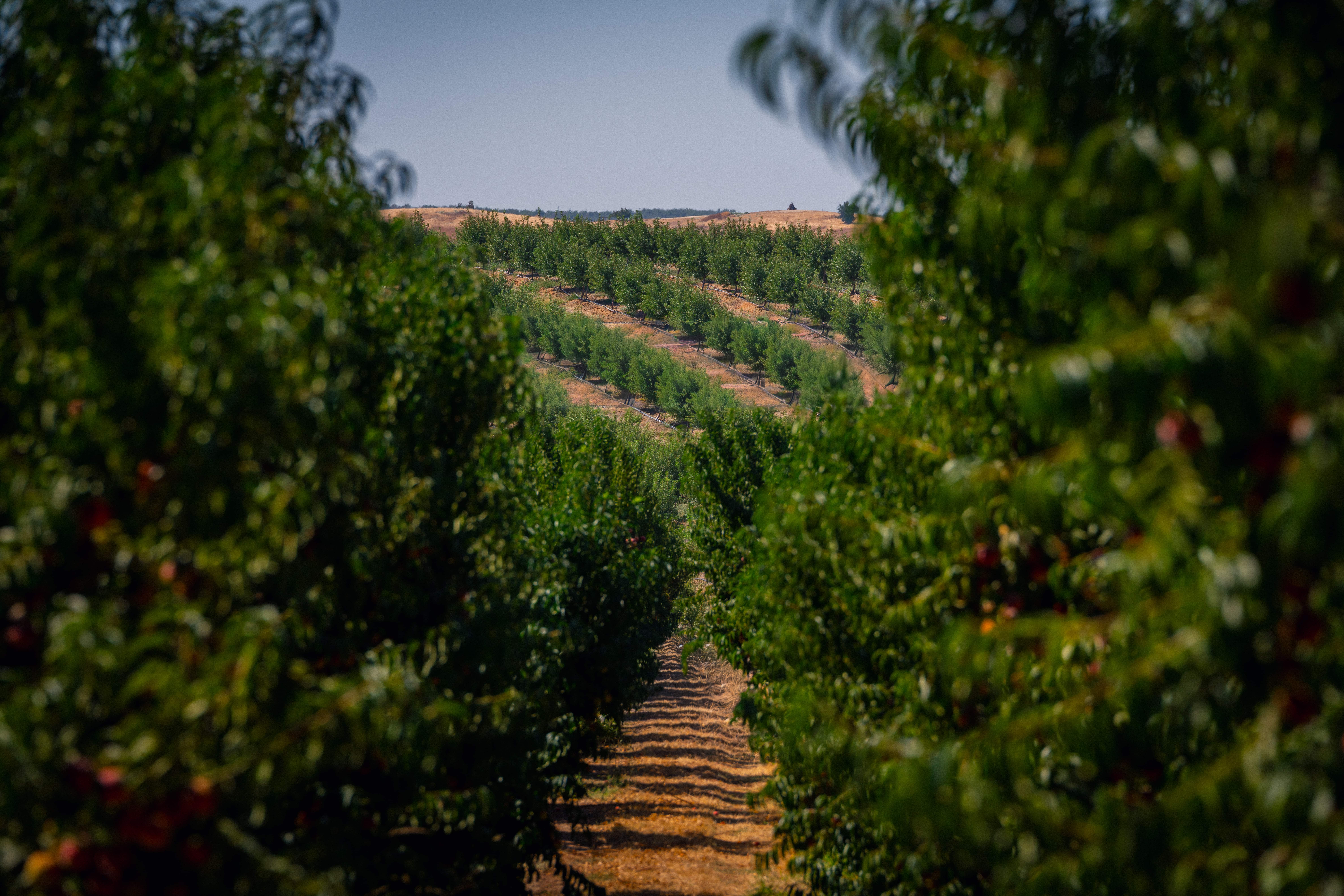
Preserving Agricultural Soils
We refrain from tilling between rows, employ flotation tires on field and harvesting equipment to prevent soil compaction, apply fertilizers as needed with careful monitoring of nutrient inputs, incorporate organic soil amendments, and recycle organic waste within the fields (i.e., leaves, cover crop and prunings) as mulch. These measures not only enhance soil stability but also contribute to canopy cooling, carbon sequestration, and optimal soil moisture retention.
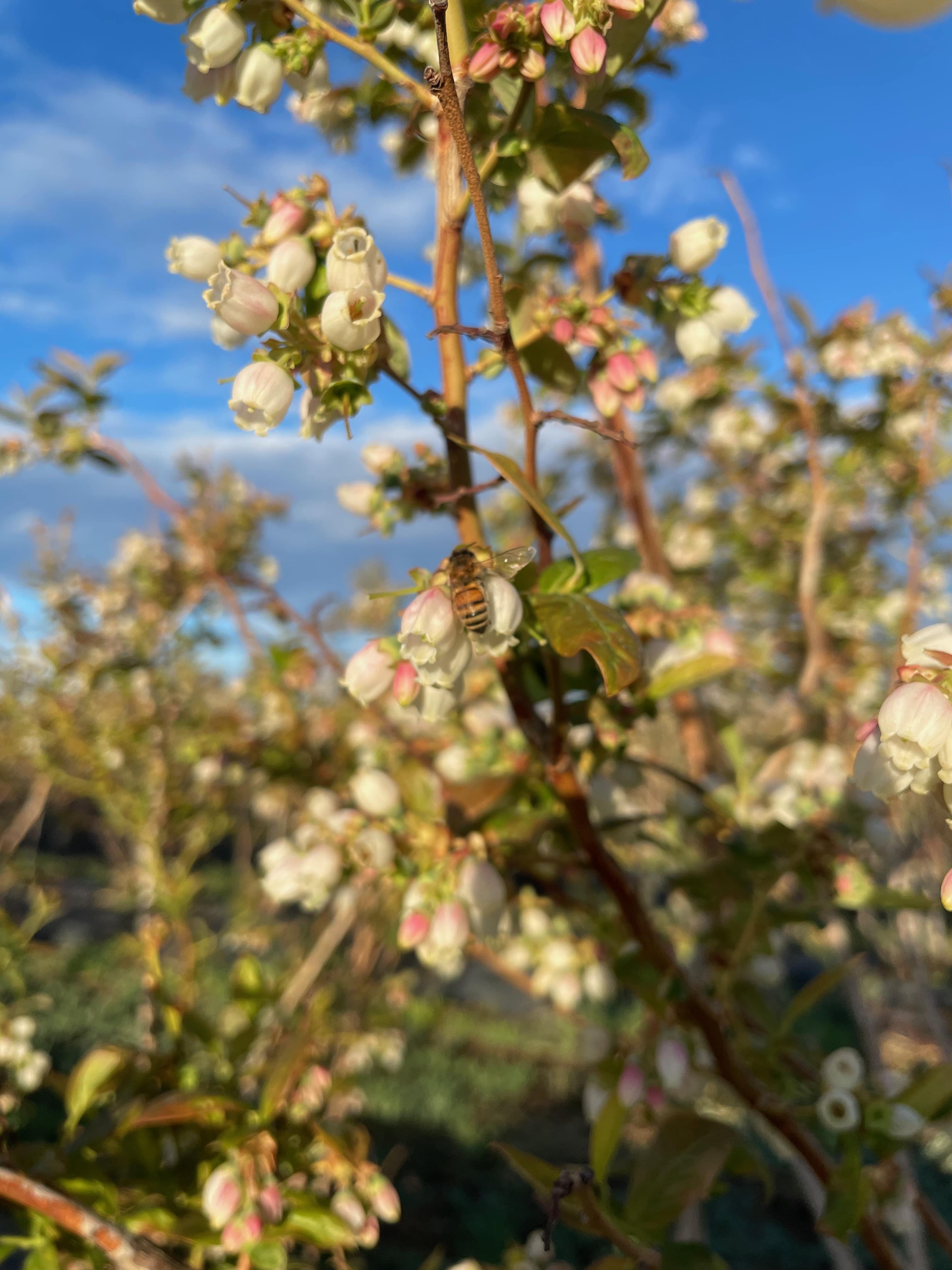
Natural Soil Stabilizers
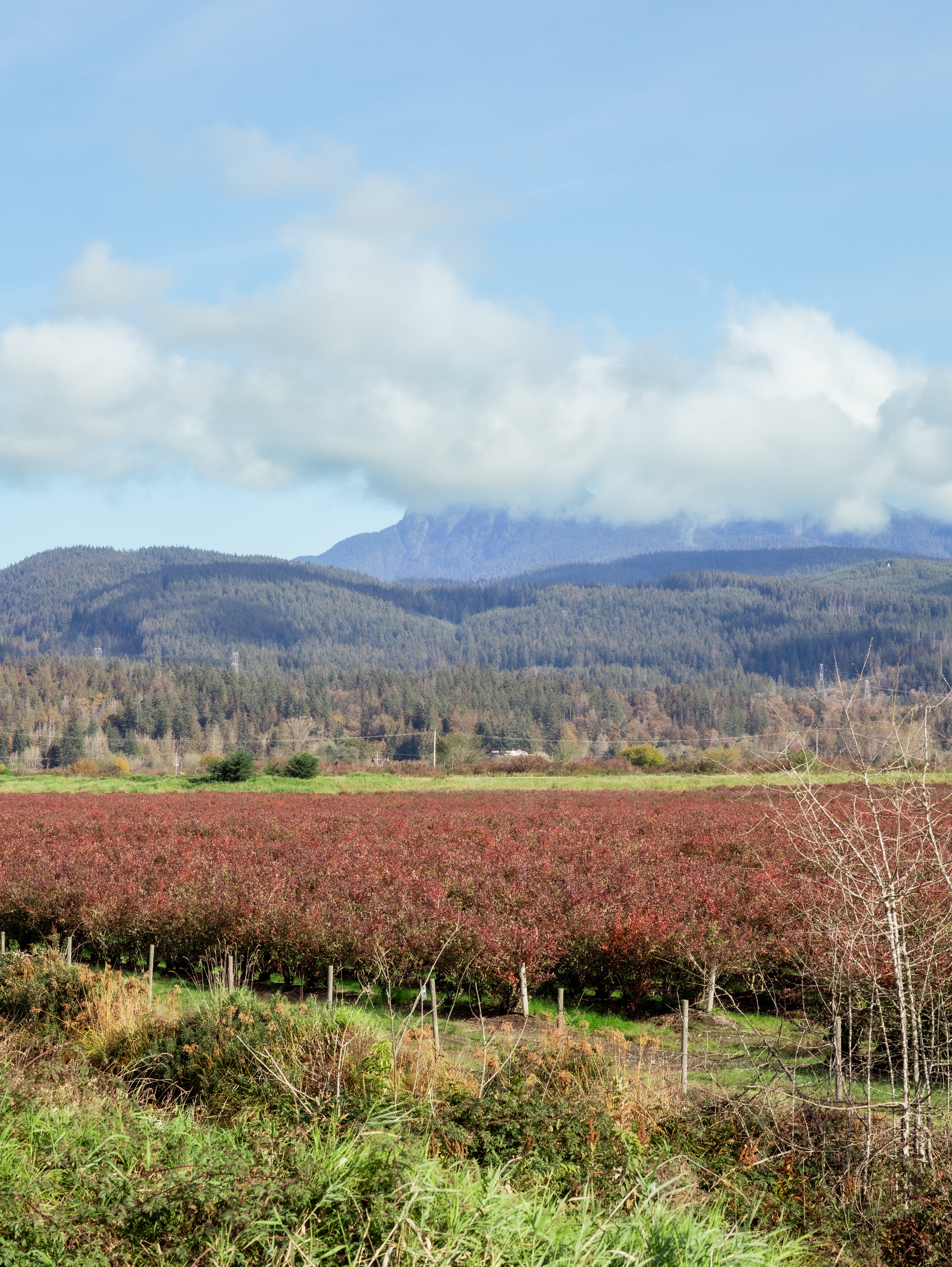
Northern highbush blueberries are a crop that flourishes with sustainable production practices. As a long-lived perennial, their roots play a crucial role in stabilizing soil organic matter, maintaining soil structure, and preventing erosion. Blueberry plants typically become productive after 3 years, with the plant remaining viable for 25 years or more.
Nurturing Natural Carbon Capturers
Established blueberry plants are effective at sequestering atmospheric carbon and storing it in their biomass and surrounding soil. This process aids in capturing carbon emissions generated during harvest and production, thereby actively mitigating greenhouse gas emissions.

Wild Pollinators
Our team helps protect and enhance wild pollinators across all growing regions by collaborating in pollinator research, implementing science-based IPM programs and enhancing habitat.

Certifications & Contributions
We hold ourselves to high standards when it comes to sustainability. Our farming practices are evaluated through the Farm Sustainability Assessment, and we use these insights to guide ongoing improvements. As part of our broader Sustainability Program, we’re focused on reducing environmental impact and supporting long-term resilience across our operations.
Preserving Agricultural Soils
We refrain from tilling between rows, employ flotation tires on field and harvesting equipment to prevent soil compaction, apply fertilizers as needed with careful monitoring of nitrogen inputs, incorporate organic soil amendments, and recycle organic waste within the fields (i.e., leaves, cover crop and prunings) as mulch.These measures not only enhance soil stability but also contribute to canopy cooling, carbon sequestration, and optimal soil moisture retention.
Natural Soil Stabilizers
Northern highbush blueberries are a crop that flourishes with sustainable production practices. As a long-lived perennial, their roots play a crucial role in stabilizing soil organic matter, maintaining soil structure, and preventing erosion. Blueberry plants typically become productive after 3 years, with the plant remaining viable for 25 years or more.
Nurturing Natural Carbon Capturers
Established blueberry plants are effective at sequestering atmospheric carbon and storing it in their biomass and surrounding soil. This process aids in capturing carbon emissions generated during harvest and production, thereby actively mitigating greenhouse gas emissions.

Wild Polinators
Our team helps protect and enhance wild pollinators across all growing regions by collaborating in pollinator research, implementing science-based IPM programs and enhancing habitat.
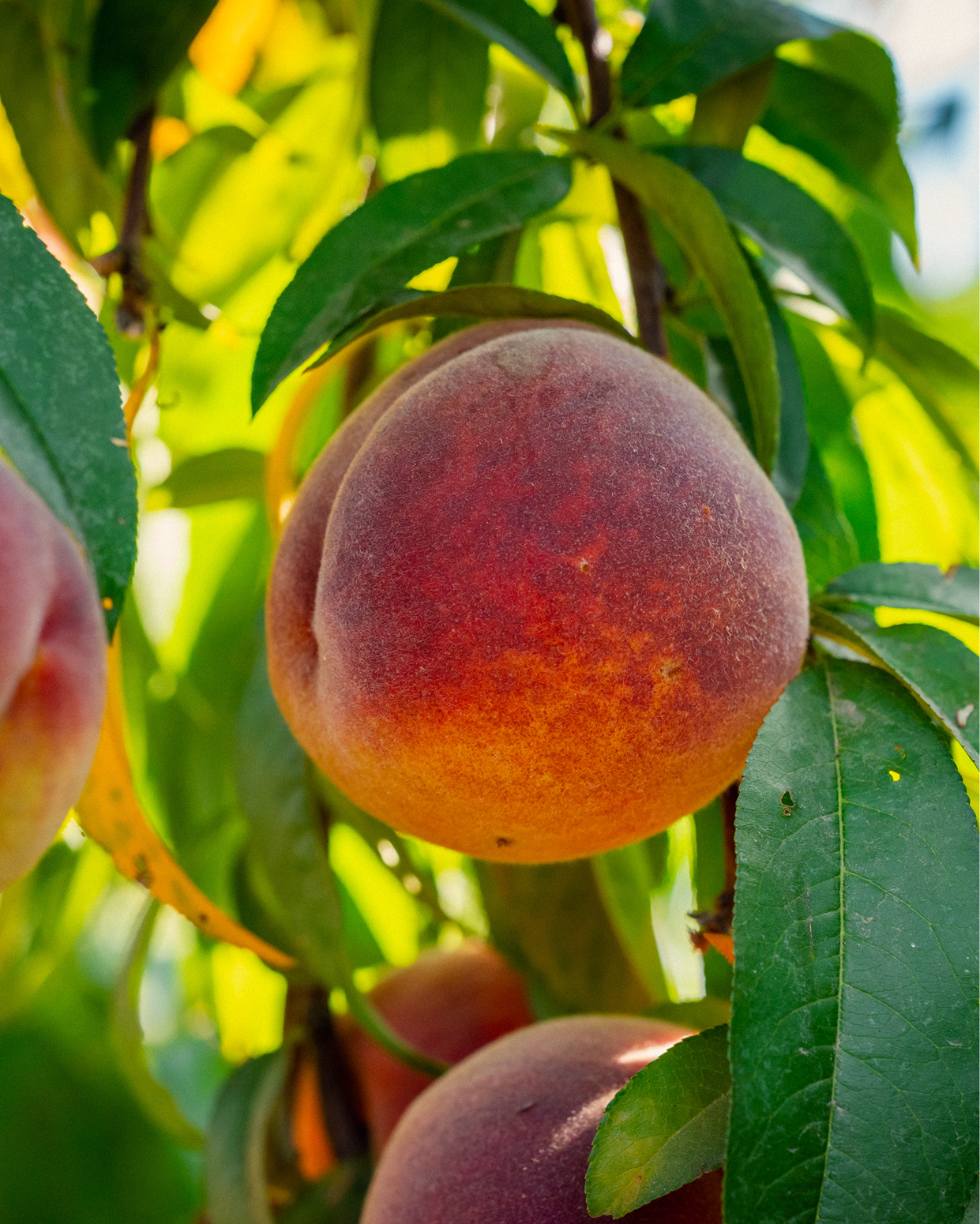
Certifications & Contributions
Certified Fair Trade USA for over five years and Gold-rated by the Farm Sustainability Assessment, we’re proud to meet some of the highest standards in the industry. We’re also part of a pilot project working toward Certified Regenerative status and are building a growing body of scientific data to better understand and reduce our carbon impact.
Growing with Tomorrow in Mind
Across all regions, we’re working to raise the bar—adopting more sustainable methods to ensure healthy crops, resilient land, and lasting impact.
Water Preservation
We’re improving irrigation and soil practices to use water more efficiently and reduce overall consumption.
Clean Energy Alternatives
We’re exploring renewable energy options and electric equipment to lower our carbon footprint.
Waste Reduction
We’re minimizing waste through better recycling, composting, and reduced packaging use.